· Data Strategy · 3 min read
Building a Data as a Service (DaaS) Capability: Democratising Analytics
Learn how implementing a Data as a Service model can eliminate data silos, empower business users, and drive a truly data-driven culture across your organisation.

For many organisations, the data engineering team has become a bottleneck. Business analysts and operational teams often wait weeks for simple report modifications or new data extracts. This centralised, ticketing-based approach stifles innovation and prevents businesses from reacting swiftly to market changes.
The solution lies in shifting from a project-based mindset to a product-based one, establishing a robust Data as a Service (DaaS) capability.
1. Treating Data as a Product
The fundamental shift in a DaaS model is treating data datasets as products and the business units as internal customers. A data product must be discoverable, addressable, trustworthy, and secure.
- Clear Ownership: Every data product must have a designated owner responsible for its quality, lifecycle, and documentation.
- Service Level Agreements (SLAs): Data consumers must know what to expect regarding data freshness and availability. Defining strict SLAs builds trust in the platform.
- Comprehensive Documentation: A data product without documentation is effectively useless. Metadata, schema definitions, and usage examples must be readily available in a centralised data catalogue.
2. Establishing a Data Catalogue
A catalogue acts as the storefront for your DaaS capability. It allows users across the organisation to search for, evaluate, and request access to the data they need without directly interacting with the engineering team.
A modern data catalogue should automatically harvest metadata from underlying storage systems and databases. Furthermore, it should provide a venue for business users to annotate data sets with crucial business context, bridging the gap between technical schemas and business terminology.
3. Automating Provisioning and Access
To truly remove the engineering bottleneck, retrieving requested data must be frictionless. When a user identifies a required dataset in the catalogue, the process of granting access should be highly automated.
By integrating your catalogue with your identity provider and cloud IAM roles, you can implement a self-serve access model. Data owners can review access requests and approve them with a single click, instantly provisioning the necessary permissions in the underlying data platform.
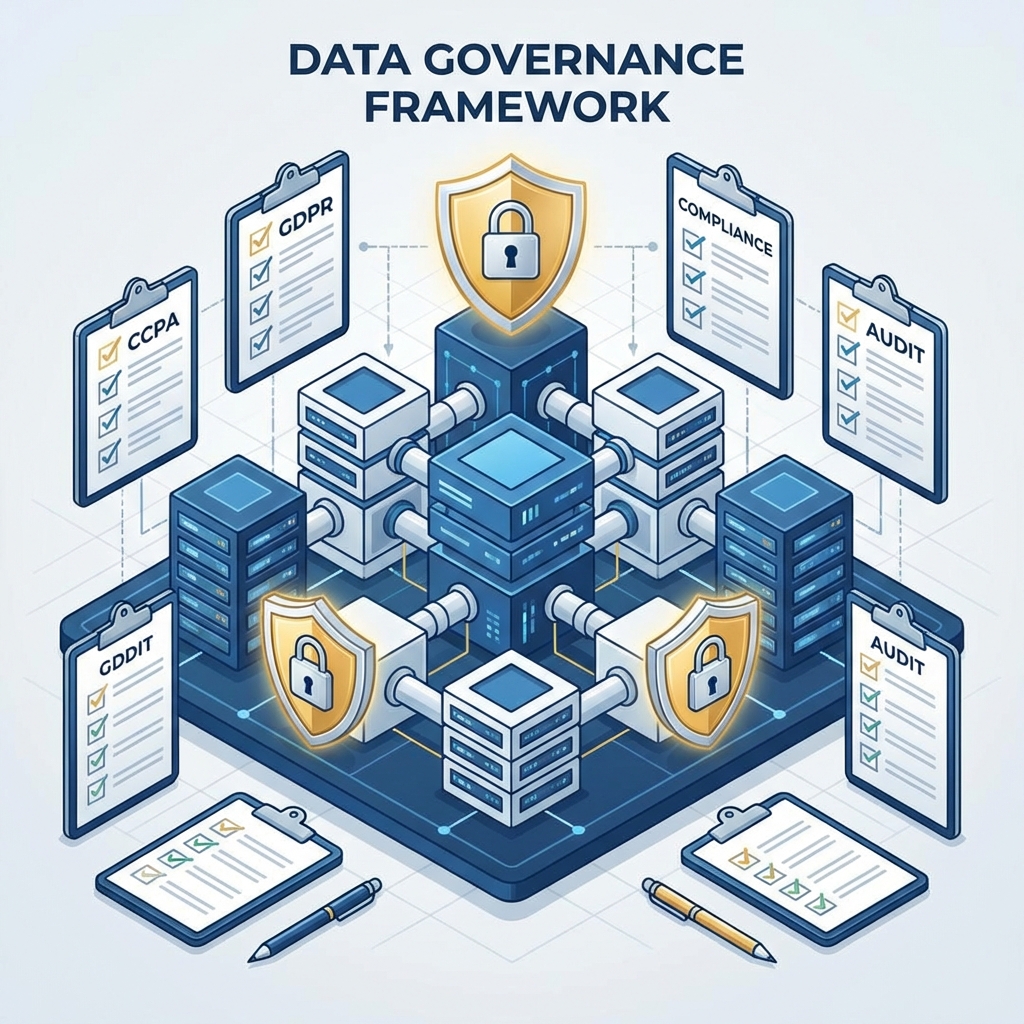
4. Federated Data Governance
Democratising data access does not mean abandoning security. A successful DaaS implementation relies on federated data governance.
While a central team defines global policies regarding data privacy, masking, and compliance, the application of these policies is decentralised to the individual data product owners. This ensures that security is maintained without creating bureaucratic hurdles that slow down analytical agility.
Conclusion
Building a Data as a Service capability transforms how an organisation interacts with its information. By treating data as a product, providing self-serve tooling, and automating access, businesses can empower their teams to generate independent insights, fostering a truly data-driven culture that accelerates growth.
Is your data stack slowing you down? The wrong architecture can cost thousands in wasted compute and engineering hours. Book a Data Architecture Assessment.