· Cloud Migration · 2 min read
Navigating the Storm: Common Cloud Migration Challenges
Moving to the cloud is transformative, but not without its hurdles. We explore the key challenges organisations face and how to overcome them.
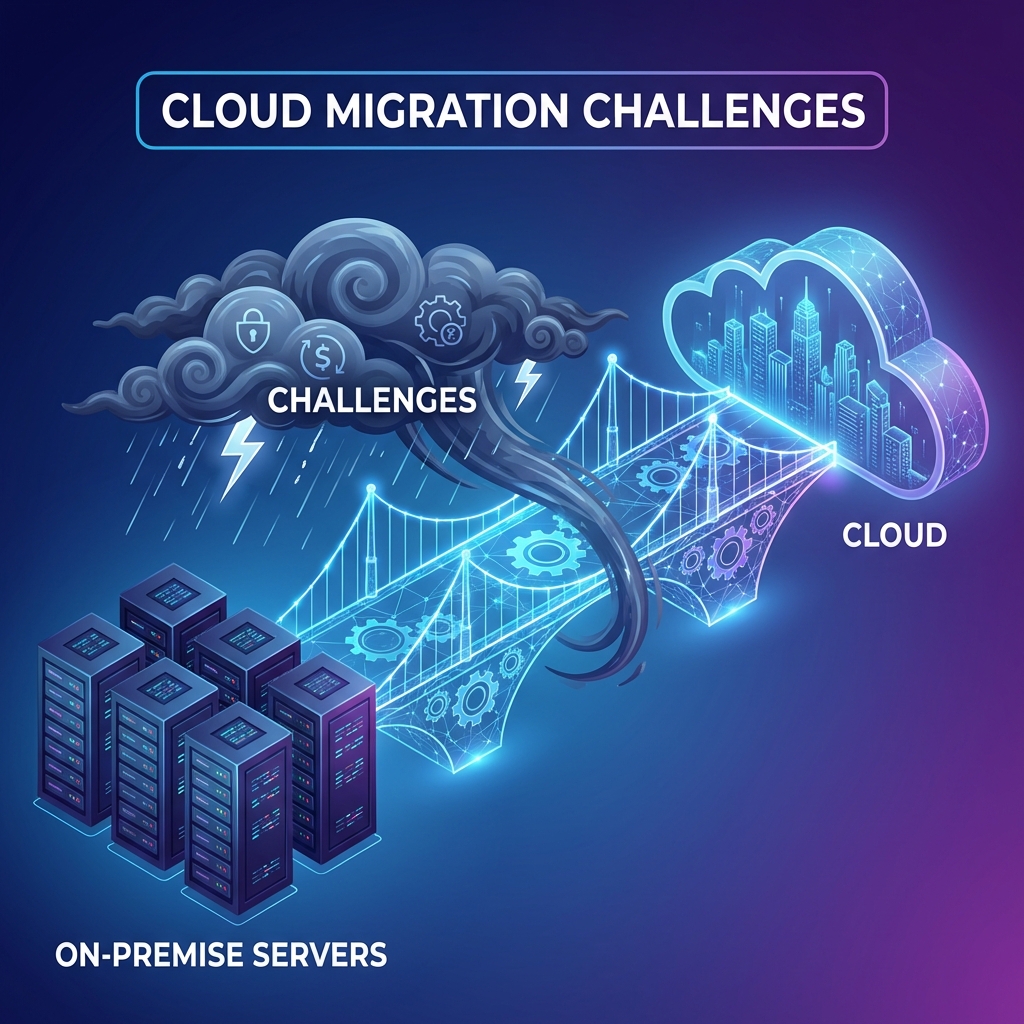
Cloud migration is often heralded as the silver bullet for enterprise agility and cost reduction. However, the reality is frequently more complex. For many organisations in the UK and beyond, the journey to the cloud is fraught with technical and cultural hurdles that can derail even the well-planned programmes.
1. Legacy Technical Debt
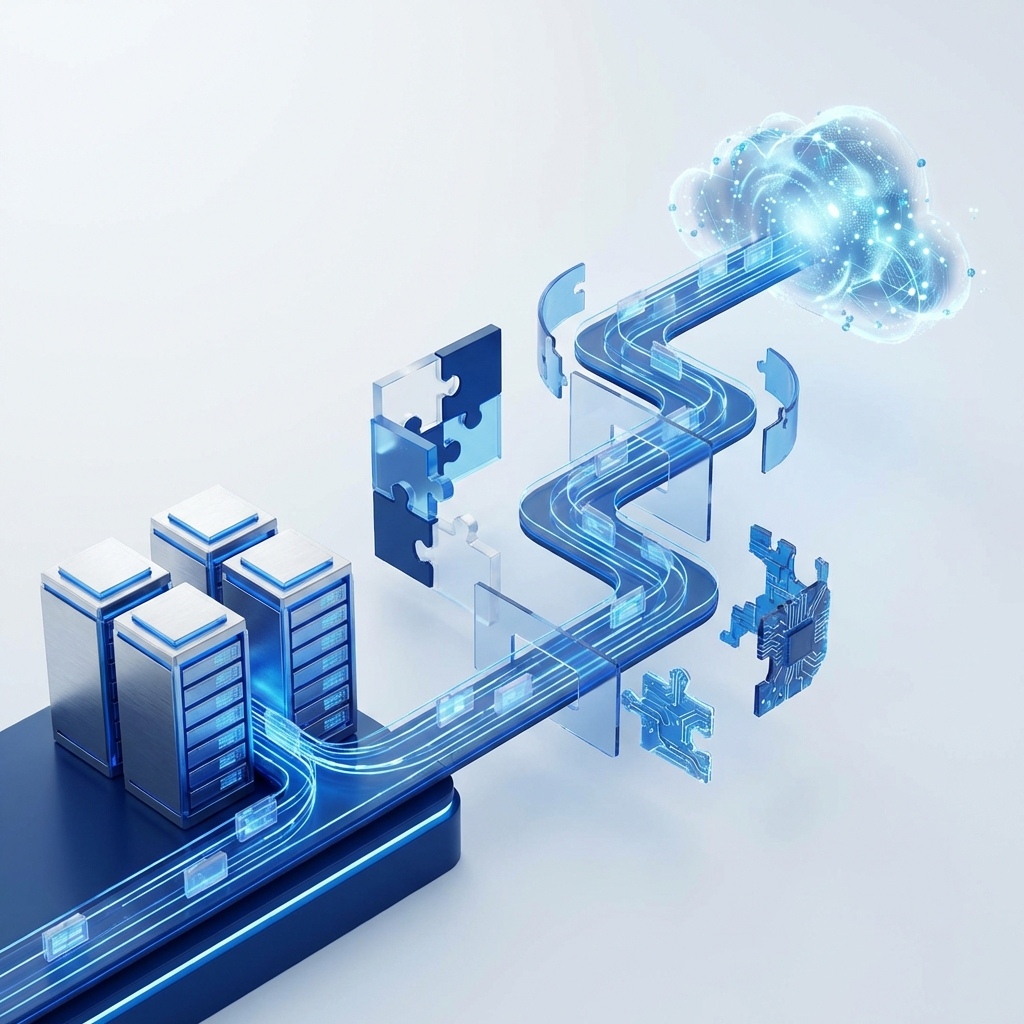
One of the most significant barriers is dealing with legacy systems. Applications built decades ago were not designed for the elasticity and distributed nature of the cloud. Simply “lifting and shifting” these applications often results in suboptimal performance and inflated costs.
Key Takeaway: A thorough assessment of your application portfolio is crucial. Decide whether to re-host, re-platform, or re-architect based on business value and technical feasibility.
2. The Skills Gap
The cloud requires a fundamentally different mindset and skillset compared to traditional on-premise infrastructure. Many organisations find themselves lacking the internal expertise to manage complex cloud environments, leading to security vulnerabilities and inefficient configurations.
Investing in training and partnering with experienced consultancies can help bridge this gap, ensuring your team is equipped to handle the demands of the modern cloud.
3. Cost Management and Optimisation
While the cloud promises cost savings, it can easily become a money pit if not managed correctly. The “pay-as-you-go” model means that leaving resources running unnecessarily can lead to bill shock.
Implementing a strong FinOps culture is essential. By aligning engineering, finance, and business teams, you can ensure that you are getting maximum value from your cloud investment.
4. Security and Compliance
Data sovereignty and regulatory compliance (such as GDPR) remain top concerns. ensuring that your cloud architecture meets these stringent requirements is non-negotiable. This involves not just technical controls but also robust governance frameworks.
Conclusion
Migration is not a destination but a journey. By anticipating these challenges and planning accordingly, you can transform your organisation’s IT landscape and unlock the true potential of the cloud.
Cloud costs out of control? Cut your GCP and cloud bill by 20% in 30 days. We help enterprises master their spend. Get a FinOps Audit.