· Cloud Migration · 2 min read
The Strategic Guide to Migrating Hadoop to Google Cloud Dataproc
Don't just lift and shift. We explain how to modernise your legacy Hadoop clusters by migrating to managed Dataproc services on Google Cloud for scalability and cost efficiency.

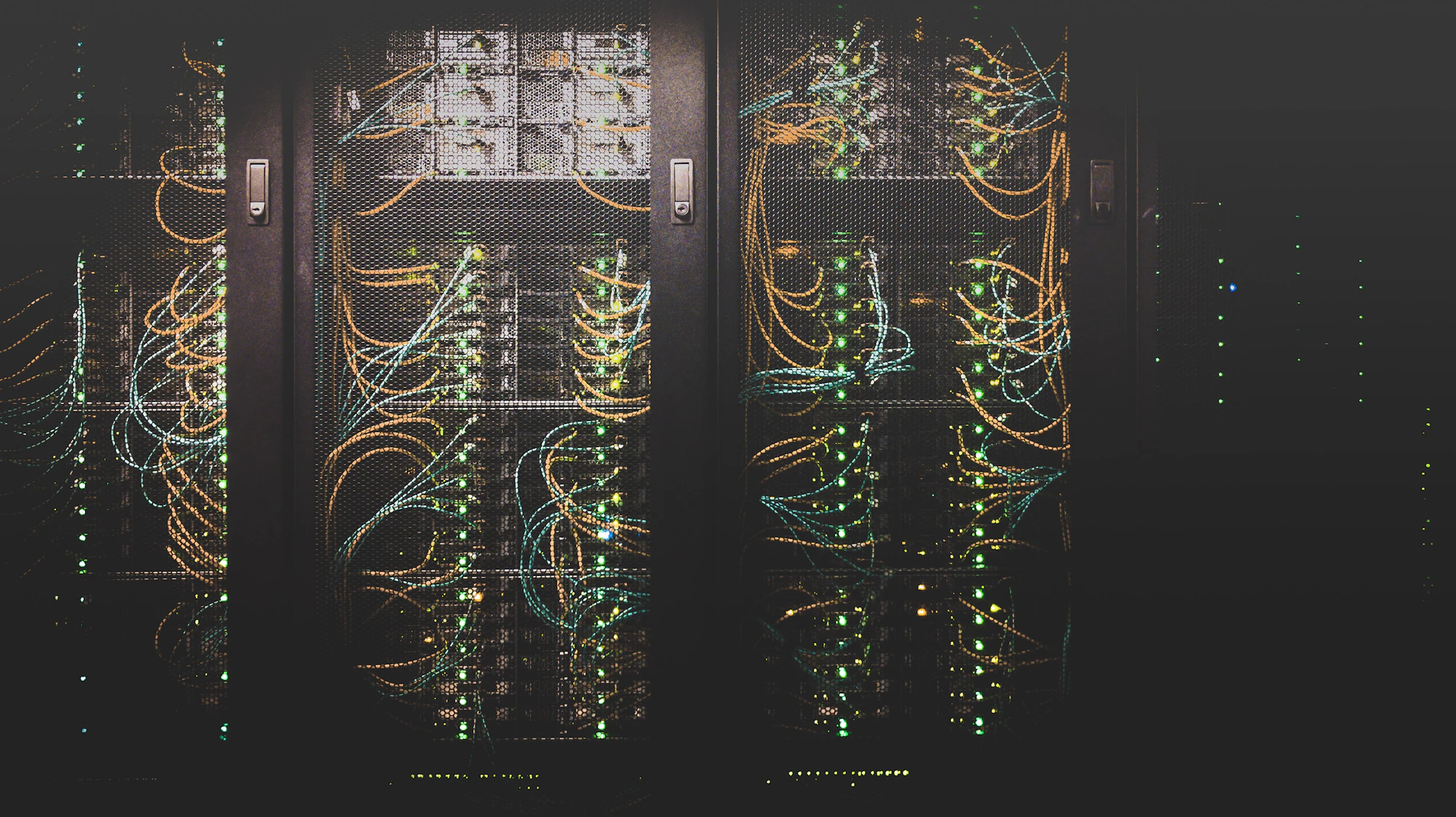
For nearly a decade, On-Premise Hadoop clusters were the engine of Big Data. However, keeping these massive clusters running has become an operational nightmare and a financial drain. You find yourself paying for peak capacity 24/7, even if your actual jobs only run for a few hours. Google Cloud’s Dataproc offers a much smarter, cloud-native alternative.
The Shift: From Pet to Cattle
In the old world, you treated your Hadoop cluster like a Pet. You gave it a name, nursed it back to health when nodes failed, and painstakingly upgraded it. In the cloud, we treat compute power as Cattle.
- Temporary Clusters: We spin up a cluster specifically for one job, let it run, and then shut it down immediately after. This “Ephemeral” model means you only pay for the seconds you are actually processing data.
- Separating Storage: We move data from HDFS (which ties compute and storage together) to Google Cloud Storage (GCS). This lets you store Petabytes of data cheaply without paying for expensive CPUs just to host it.
Key Migration Steps
1. Data Migration
The first step is moving your files. We use tools like DistCp (Distributed Copy) to move data from your on-prem servers to the cloud.
- Top Tip: Flatten your directory structures and organise data by date (e.g.
2024/12/) to make your queries run faster.
2. Metastore Migration
Your Hive Metastore holds all your table definitions. This needs to be moved to a persistent cloud service, such as Cloud SQL or the fully managed Dataproc Metastore.
3. Adapting Jobs
Thankfully, you usually don’t need to rewrite much code. Most Spark and Hive jobs just need to be updated to look for files in gs:// paths instead of hdfs://. We also remove any hard-coded memory settings to let the cloud auto-scale the resources for us.
The Financial Case
By switching to this modern architecture, our clients typically see a 40-60% drop in Total Cost of Ownership. You eliminate the “idle tax” of paying for servers that aren’t doing anything, and you gain the ability to scale up to thousands of nodes for a big monthly report, and then scale back down to zero.
Alps Agility has run massive migrations for banking and retail clients. We make sure your data arrives safely and your business intelligence reports keep running without interruption.
Cloud costs out of control? Cut your GCP and cloud bill by 20% in 30 days. We help enterprises master their spend. Get a FinOps Audit.