· Cloud Migration · 3 min read
Assessing Your Hadoop Estate for Cloud Migration
Before you move a single byte, you must understand what lies beneath. A comprehensive assessment is the bedrock of a successful Hadoop-to-Cloud migration.

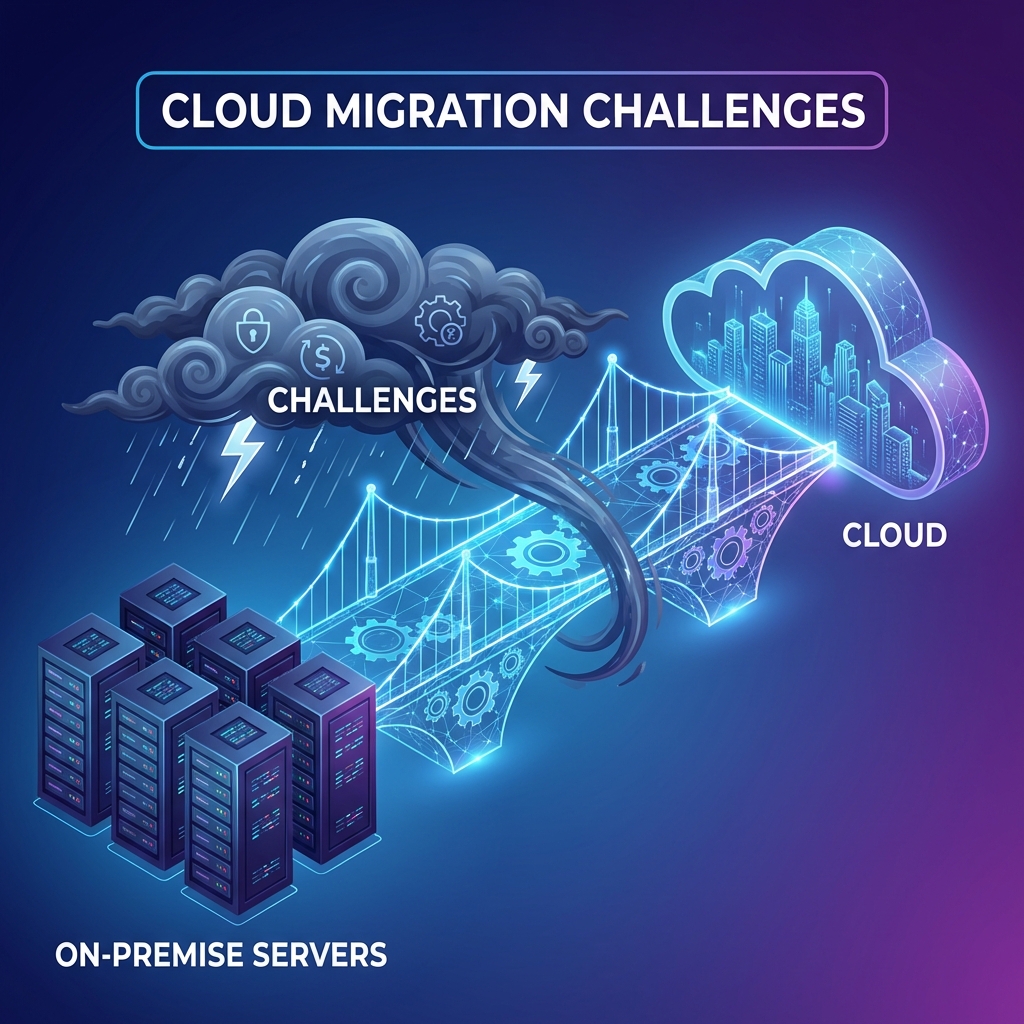
Migrating a Hadoop cluster to the cloud is akin to moving a bustling city. It involves not just the buildings (data) but the utilities, traffic patterns, and governance structures that keep it functioning. Many organisations underestimate the complexity of their legacy estates, leading to stalled programmes and spiraling costs.
A rigorous assessment phase is the only way to de-risk this journey. Here is how we approach assessing a Hadoop estate for modern cloud migration.
1. Discovery and Inventory
You cannot migrate what you do not know. The first step involves a deep scan of your cluster to build a complete inventory. This goes beyond just listing servers; we need to understand the software stack in detail.
- Cluster Composition: Number of nodes, hardware specifications, and resource utilisation history.
- Ecosystem Components: Cataloguing versions of Hive, Spark, Oozie, Flume, and other ecosystem tools.
- Data Volume and Growth: accurate measurements of HDFS usage, replication factors, and compression ratios.
2. Workload Analysis
Not all jobs are created equal. Some are critical, SLA-bound ETL pipelines, while others are ad-hoc queries run by data scientists. Understanding the “personality” of your workloads is crucial for right-sizing your cloud target.
We analyse CPU and memory consumption patterns to identify:
- Burst capability: Workloads that would benefit from auto-scaling.
- Steady-state jobs: Processes that might be cheaper on reserved instances.
- Candidates for retirement: Legacy jobs that consume resources but deliver little business value.
3. Data Sensitivity and Classification
In the GDPR era, simply dumping everything into a cloud data lake is a compliance risk. We must classify data before it moves.
- PII Identification: Scanning for Personally Identifiable Information within Hive tables and HDFS paths.
- Access Patterns: Auditing Ranger or Sentry policies to understand who is accessing what data. This helps in redesigning IAM roles in the cloud.
- Lifecycle Management: Identifying “cold” data that can be moved directly to archival storage classes (like AWS Glacier or Google Cloud Archive), yielding immediate cost savings.
4. Dependency Mapping
Hadoop clusters rarely live in isolation. They are often fed by upstream mainframes or databases and feed into downstream BI tools or operational systems.
We map these interdependencies to ensure no connection is severed during the cutover. This includes identifying hard-coded IP addresses or HDFS paths in scripts, which is a common source of migration failure.
Conclusion
A successful migration is 80% planning and 20% execution. By investing time in a thorough assessment, you build a roadmap that is realistic, cost-effective, and secure.
Cloud costs out of control? Cut your GCP and cloud bill by 20% in 30 days. We help enterprises master their spend. Get a FinOps Audit.