· Cloud Migration · 3 min read
Cloudera CDH 7.2 Migration Assessment: A Comprehensive Guide
A deep dive into assessing Cloudera CDH 7.2 environments for cloud migration, focusing on data volume analysis, complex workload mapping, and robust permission translation.
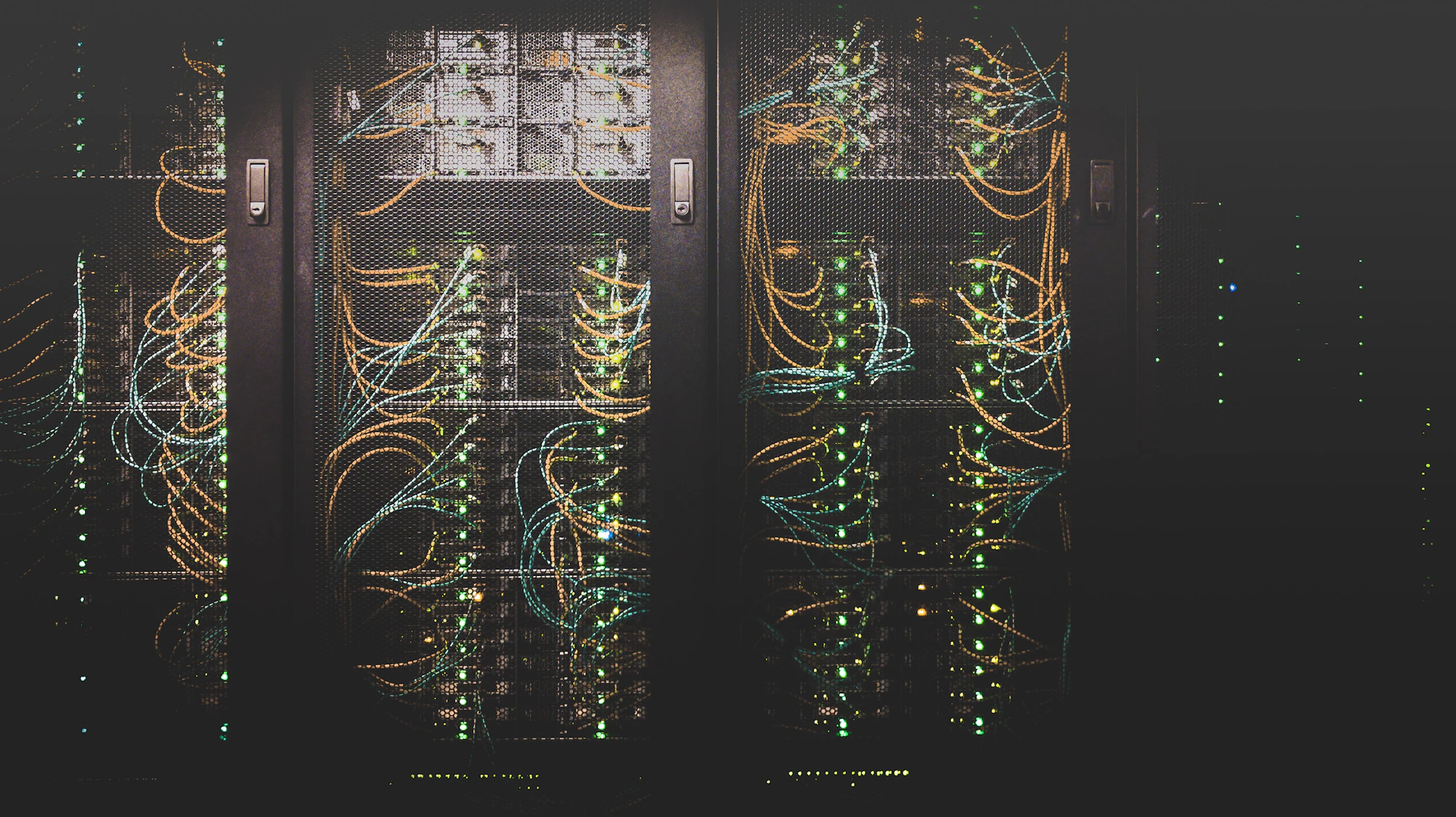
Migrating a legacy Hadoop environment like Cloudera CDH 7.2 to a modern cloud data platform is a monumental undertaking. These estates have often accumulated years of critical enterprise data, complex ETL jobs, and intricate security policies. Transitioning to the cloud without a meticulous assessment phase inevitably leads to performance bottlenecks, security vulnerabilities, and budget overruns.
Our comprehensive migration assessment methodology ensures that every byte of data, every processing workload, and every security policy is mapped, analysed, and properly architected for the cloud.
1. Holistic Data Profiling and Inventory
A successful migration begins with absolute clarity regarding your data landscape. CDH 7.2 environments often feature petabytes of data distributed across HDFS, HBase, and Kudu.
- Data Volume and Growth Trends: We establish a baseline of your total storage footprint, identifying historical growth patterns to accurately forecast cloud storage costs.
- Format and Compression Analysis: We index the varying file formats (Parquet, ORC, Avro, Text) and compression codecs in use. Certain formats perform optimally in cloud object storage, while others may require conversion during the migration process.
- Hot, Warm, and Cold Classification: Not all data demands premium, high-availability storage. By identifying data access frequencies, we can design a tiered storage strategy in the cloud, immediately yielding significant cost savings.
2. Comprehensive Workload and Dependency Mapping
The compute layer of a CDH 7.2 cluster is typically a complex web of interconnected jobs. We must dissect these workloads to right-size your future cloud architecture.
- Execution Engine Analysis: We catalogue properties across Spark, Impala, Hive, and MapReduce workloads. It is imperative to identify jobs that consume disproportionate CPU or memory.
- SLA and Dependency Tracking: We utilise tools like Oozie or Airflow (if present) to trace job DAGs (Directed Acyclic Graphs). This maps out the critical paths, upstream dependencies, and downstream consumers, ensuring no business process is interrupted during the cutover.
- Platform Modernisation Opportunities: Rather than a simple “lift and shift,” the assessment identifies legacy MapReduce jobs that could be refactored into modern Spark pipelines or cloud-native serverless functions for enhanced performance.
3. Security and Permission Translation
The most hazardous pitfall in any Hadoop migration is the failure to translate legacy security models into cloud-native access controls. CDH 7.2 relies heavily on Apache Ranger, Apache Sentry, and Kerberos.
- Policy Extraction: We run automated scripts to extract every policy from Ranger or Sentry, documenting which users and groups have access to specific databases, tables, and columns.
- IAM and Role Mapping: The extracted policies must be logically translated into cloud Identity and Access Management (IAM) constructs. This requires mapping your existing Active Directory or LDAP groups to corresponding cloud identity roles.
- Data Masking and Encryption Tracking: We audit your current data-at-rest encryption standards and dynamic row or column masking policies. The target cloud environment must be configured to mirror or exceed these compliance standards before any PII is moved.
4. Total Cost of Ownership (TCO) Forecasting
Based on the empirical data gathered during the profiling and workload analysis phases, we construct a highly accurate TCO model.
This model compares your current on-premise infrastructure costs (including hardware refresh cycles, power, cooling, and datacentre leases) against the projected costs of your target architecture (such as Databricks, Snowflake, GCP Dataproc, or AWS EMR). This financial clarity is essential for securing executive sponsorship and tracking the Return on Investment (ROI) of the migration.
Conclusion
Migrating away from Cloudera CDH 7.2 is not merely an infrastructure exercise; it is an opportunity to declutter, secure, and modernise your entire data ecosystem. A comprehensive assessment transforms a high-risk endeavour into a predictable, engineered process.
Cloud costs out of control? Cut your GCP and cloud bill by 20% in 30 days. We help enterprises master their spend. Get a FinOps Audit.